How to make a lost pet flyer that actually works
A well-made flyer still works — even in a world of apps and social media. Here's how to make yours count.
Lead with a clear, recent photo
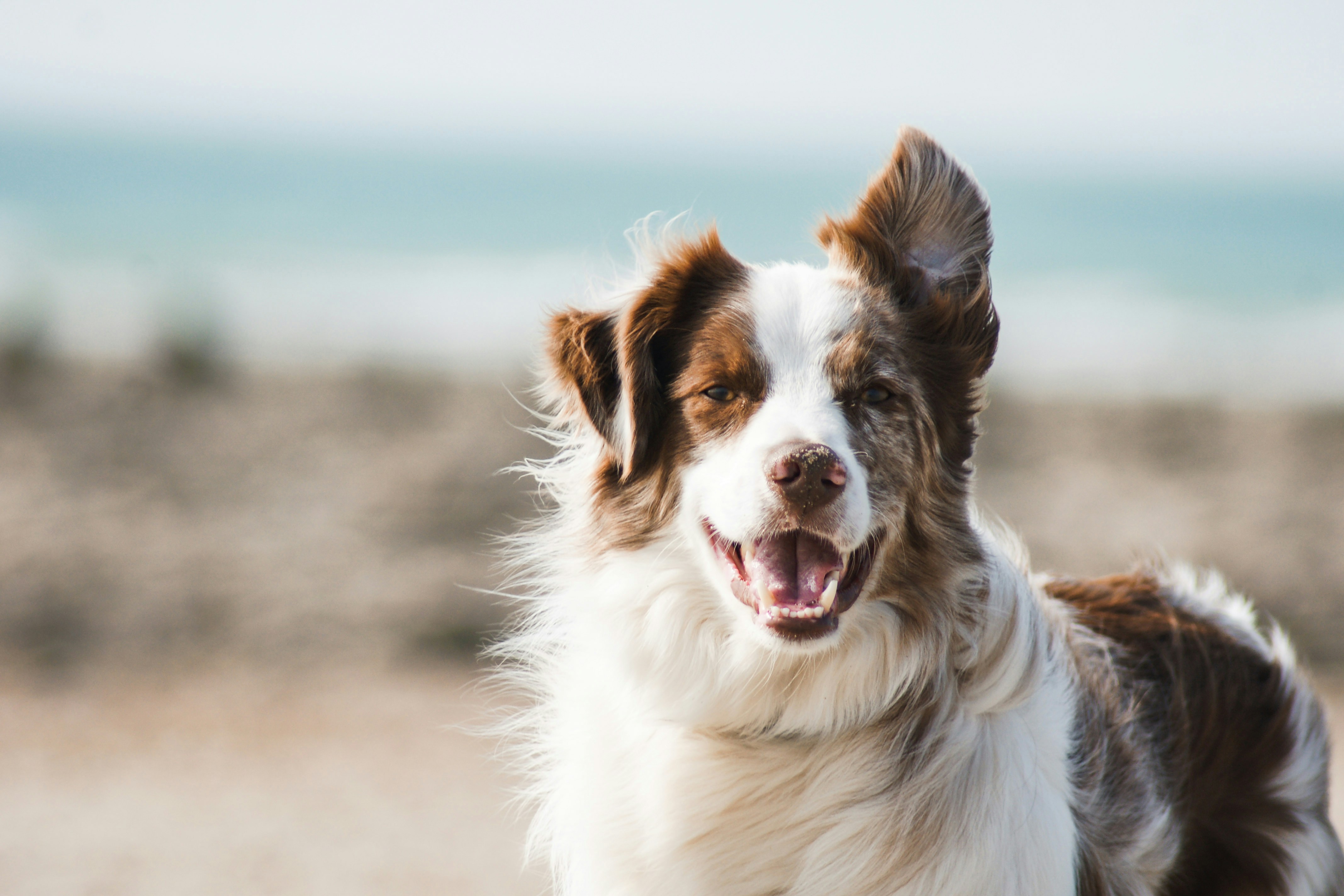
Use a sharp, well-lit photo that shows your pet's true colouring and markings. Avoid photos that are too zoomed out or too old to be recognisable.
Keep the text short and scannable
A driver or dog-walker sees your flyer for a few seconds only. Lead with "LOST DOG" or "LOST CAT" in large letters, then name, breed, and where they were last seen.
Include the essentials only
Add a phone number in large type — many pets also respond to their name being called, so include that too. Skip long personality descriptions.
Post smart, not just wide
Vets, groomers, dog parks, mailboxes and community boards near the last-seen location matter more than blanketing a whole city. Ask permission before posting on private property.
Pair it with a digital report
A paper flyer works best alongside a lost report on Save Your Best Friend — it reaches your neighbours instantly and keeps working even after the ink fades.